

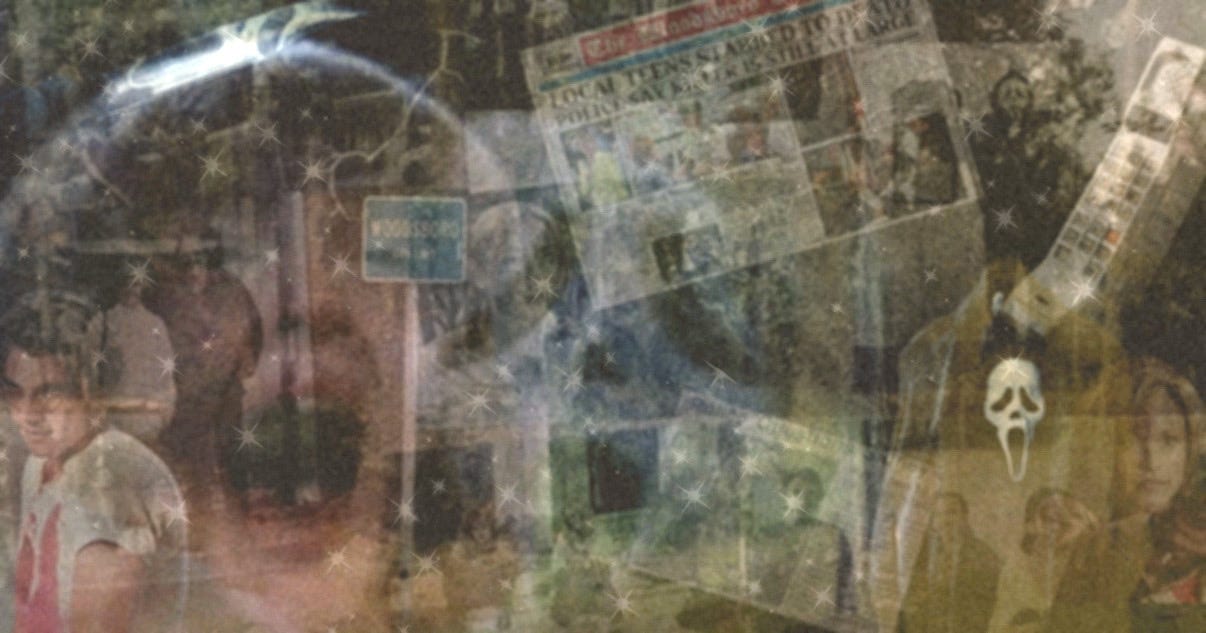
Scream (1996) is a horror movie that manages to be both a slasher film and a movie about slasher films at the same time.
It takes place in the small California town of Woodsboro, where high schooler Sidney Prescott (Neve Campbell) becomes the target of a masked killer known as Ghostface. The rest of the core cast is made up of Sidney’s boyfriend, Billy Loomis (Skeet Ulrich), her best friend Tatum Riley (Rose McGowan), Tatum’s boyfriend Stu Macher (Matthew Lillard), friend & film nerd Randy Meeks (Jamie Kennedy), tabloid reporter Gale Weathers (Courteney Cox), and Tatum’s brother/ clueless deputy, Dewey Riley (David Arquette).
From the opening kill with Drew Barrymore to the bloody final act, the movie follows the structure of a classic slasher while constantly reminding us that it knows the rules of one.
The film has the look and atmosphere of late 90s suburbia such as cozy-beige kitchens, cordless phones, VHS tapes stacked on top of analog TV sets, floral couches, house parties, a nostalgic soundtrack, and teenagers who have clearly seen most classic horror movies more than once. For a lot of people like myself, it has become a rewatchable-comfort movie even though it’s about people being gutted and hunted inside their own homes. Part of the reason is that it captures a specific kind of feeling from a time before smartphones and streaming, when horror lived on VHS tapes and in the back of local video stores.
What started as one film, rumored to have been part of a future trilogy from the start, became a full on franchise with six movies so far and a seventh on the way. Over the years it has earned cult status not just because it is scary, but because it is self aware without being annoying.
Unlike parodies that mock the genre from the outside, Scream plays by the rules from the inside while also dissecting them. Even people who have not seen it in years tend to remember the voice on the phone, the kitchen confrontation, the fountain scene, Tatum’s death, or the line “Do you like scary movies?”
What makes Scream different from the slashers that came before it is how much it talks to the audience using references, tropes, trivia, and Easter eggs aimed at people who know horror. The more slashers you have seen, the more Scream reveals itself. It is not a normal scary movie, it is a commentary built out of everything that came before it. That is where this film really stands out, not only with kills, but with clues, references, and patterns the movie leaves scattered within view.
Foreshadowing and the Killers in Plain Sight
To understand why the killers were hiding in plain sight, and why the film still rewards rewatching nearly thirty years later, we have to start with its clues, its references, and the language it shares with classic horror films. The movie tells you who the killers are over and over again if you’re paying enough attention.
The Two-Killer Logic: The opening kill alone proves there are two people involved. One person is on the phone while the other is seen moving through the house. The violence, staging, and timing do not make sense as the work of one killer. The movie counts on the audience having internalized supernatural-like, un-killable killers like Michael Myers, so no one slows down enough to question it.
What’s In a Name: Billy Loomis is not just a name. It is a reference built from two different horror legacies. Sam Loomis, a character from Psycho and Dr. Samuel Loomis, the psychiatrist from Halloween. Maybe the average movie goer didn’t catch the reference in 1996 because they couldn’t search it in a few seconds like you can now. But for true horror fans, the reference jumps out immediately and should probably be considered foreshadowing rather than just a nod to classic horror films.
The Music Hint: The first time Billy climbs through Sidney’s bedroom window, an acoustic version of “Don’t Fear the Reaper” is playing. That is not a subtle choice. It is the kind of musical hint that feels like random background noise the first time and obvious once finally you notice it. This should also be considered foreshadowing rather than just an homage to classic horror films, as the song is well known for being in the movie Halloween.
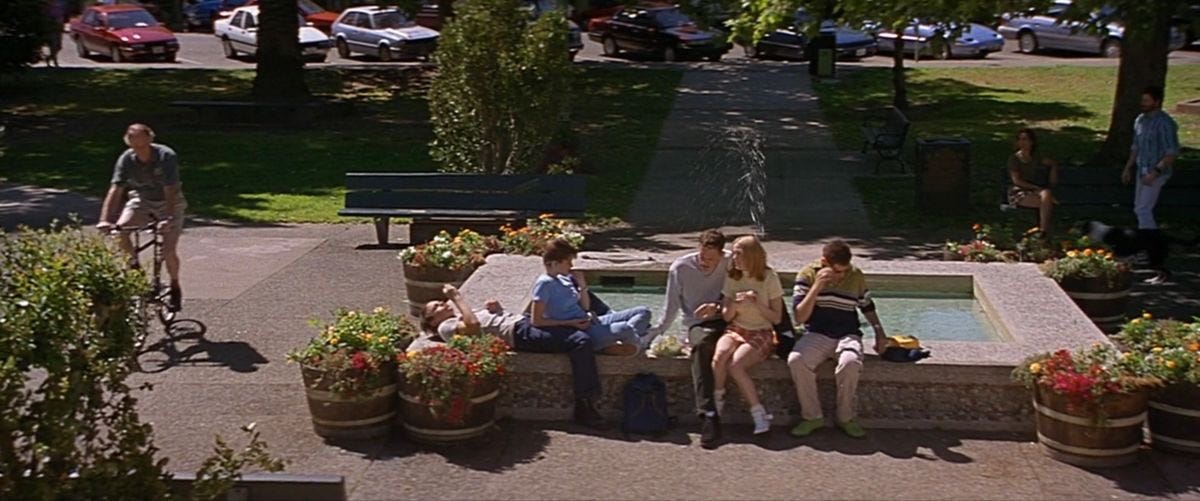
The Fountain Scene: Early in the film, Stu, Billy, Tatum, and Randy hang out by the school fountain after news of Casey and Steve’s deaths. Stu jokes, “I did not kill anyone,” and Billy immediately replies, “Nobody said you did.” That moment does several things at once. It links Stu to Casey, since she was his ex-girlfriend. It shows Billy reacting like someone managing suspicion rather than dismissing it. Stu also casually talks about gutting people as if it is nothing more than teen humor.
Randy Clocked It: Randy is the one who explains the rules because, as a horror buff, he understands the genre they are living inside more than anyone. In the video store scene, he calls Billy the obvious suspect and says “there’s always some stupid bullshit reason to kill your girlfriend.” He even says in the same scene, “motives are incidental.” That line explains Stu before we even know it does. Later, we find out Billy does have a motive, but Stu does not. Randy is treated like a harmless nerd, but he is right the entire time.
Stu Breaks the Rule: Randy tells everyone the rules of surviving a horror movie, including one of the most famous: never say “I’ll be right back.” Stu immediately walks toward the other room and says, “I’ll be right back,” and he actually comes back. This scene and the fact that he threw the party in the first place are both played off like Stu and the other teens don’t take the rules seriously because they are teens who want to party. But it is proof that he is not afraid of getting killed by Ghostface, because he is participating in the setup.
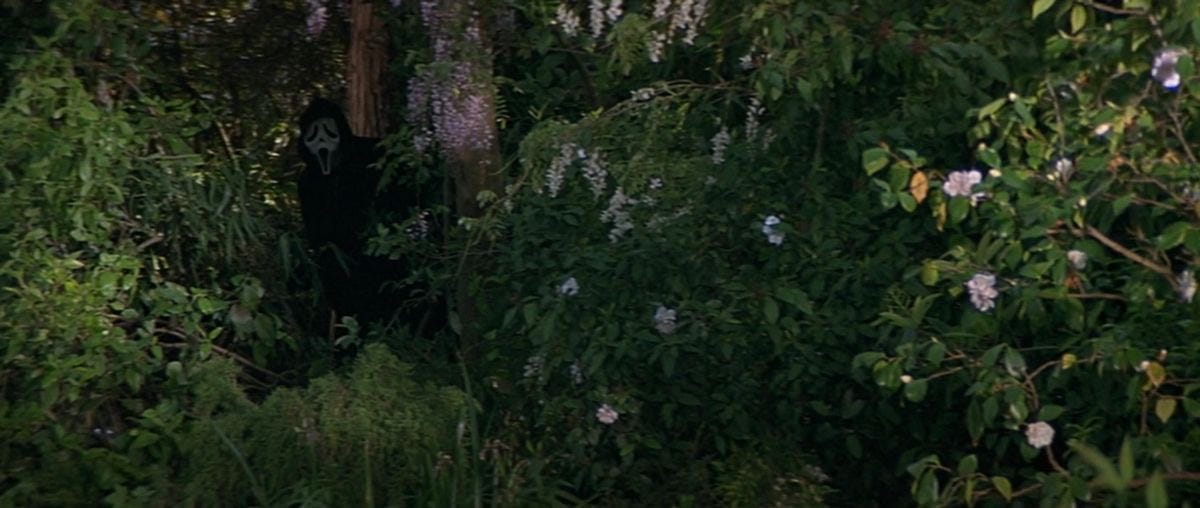
Ghostface is Not Super Human: Unlike Michael Myers or Jason Voorhees, Ghostface trips, gets hit with bottles, runs into doors, and wrestles with his victims like a teenager in a costume, because he is. He is not an unstoppable, unkillable villain. He is clumsy, short sighted, and loud. Stu has that same wild, lanky energy when he is not in the mask. The physicality matches.
More Stu Clues: During the party at Stu’s house, he disappears whenever Ghostface is active. Earlier in the film, he effortlessly lifts Tatum over his shoulder like she weighs nothing. In his attic there are dolls hanging from strings that resemble Casey Becker. It is not accidental set dressing. It is a visual confession most people do not notice until they know the ending.
The film sets the truth in plain view, assuming that most viewers will be too distracted by the jump scares, the teenage drama, or the kills to process it the first time. Rewatching is revealing, fun, and nostalgic.
Horror References, Trivia, and Easter Eggs
One of the reasons Scream still feels so fresh decades later is that it was not made for a passive audience. It speaks directly to people who have spent years absorbing slashers, renting VHS tapes, and arguing about horror rules long before the internet flattened all of that into trivia. The film works if you know nothing, but it changes depending on how much you bring into it. The more horror knowledge you have, the more the film communicates with you.
The Characters Are Horror Fans, Not Just Victims: Scream does something most slashers never attempted by putting horror literacy in the mouths of its characters. Randy does not just reference horror movies, he lives inside them. He lectures about Prom Night and Halloween while surrounded by aisles of VHS cases. He explains the “rules” like someone who has learned from other people’s deaths, even though he has only seen them on TV. Stu and Billy do the same thing, but in a darker way. They are horror fans reenacting horror stories instead of reacting to one.
Dialogue as a Horror Catalogue: The film casually name-drops titles that range from mainstream to cult. Halloween, Psycho, A Nightmare on Elm Street, Friday the 13th, Prom Night, Terror Train, The Silence of the Lambs, and The Town That Dreaded Sundown all show up in casual conversation. These references form the worldview of the characters and the internal logic of the film itself. When Billy says, “We all go a little mad sometimes,” he’s directly quoting Norman Bates in Psycho. When he says the fake blood on him is “corn syrup, same stuff they used for pig’s blood in Carrie,” he’s pointing directly to Brian De Palma’s Carrie (1976), where Sissy Spacek’s character gets doused in blood at prom.
The Opening Scene as a Test: The first sequence with Drew Barrymore is not just memorable because of how it ends. It is a direct reference to When a Stranger Calls, with the setup of a girl alone, the phone ringing, and the caller already inside the world of the house. It announces from the start that the movie is aware of its lineage and expects at least some of its viewers to recognize what it is borrowing.
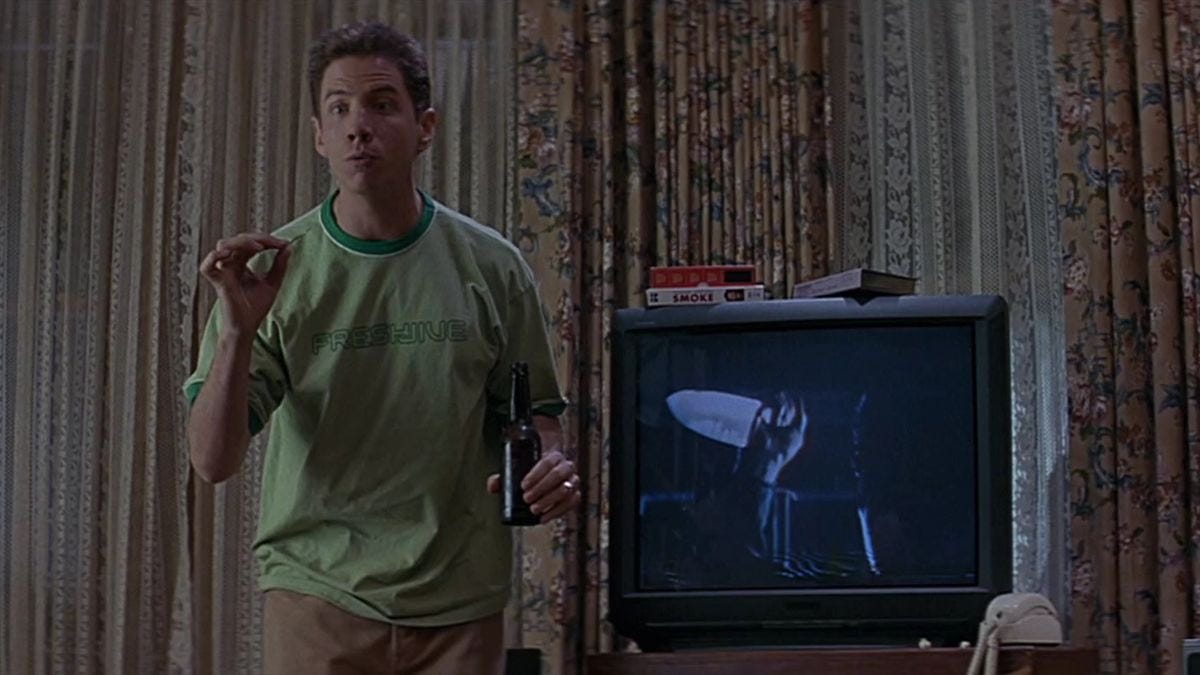
Horror as Shared Language: One of the most obvious examples is the party scene where everyone is watching horror movies in the living room. After Randy announces the rules of surviving a horror movie to the party-goers, there is a scene with Randy alone on the couch watching Halloween. He shouts at Laurie Strode yelling “Jamie, lookout, hes behind you” at the TV while Ghostface stands behind him in real time. This scene is made even more meta by the fact that the actor’s name is Jamie as well, so the audience could theoretically be shouting the same words back at him. It shows you both timelines at once, collapsing the barrier between the movie within the movie and the one you are watching.
Wes Craven Cameo: The janitor scene with Fred, the one wearing the striped sweater and hat, isnt random. It’s Wes Craven literally inserting the ghost of Freddy Krueger into a high school hallway. For anyone who knew his work, it was a quiet nod that the slasher genre was not dying.
The Movie Rewards What You Know: If you grew up on slashers, the film feels like it is talking to you specifically. The jokes land differently, the names sound louder, and the killers feel like inevitabilities. Each rewatch can make the references more visible as your own horror knowledge grows with time.
These references are not just side notes, but they are the framework that the story stands on, and they prepare the ground for how the movie hides its truths in familiarity. The killers hide behind horror tropes instead of stepping outside of their comfort zones, as they are just horror movie super fans.
Horror Fans, Hidden Knowledge, and the Gnostic Lens
This is a film about secret knowledge that rewards people who know the rules. On the surface, it is a slasher about a masked killer in a small town. Underneath, it is a story about people who survive or die based on what they know, what they use with that kneeled, and what they cannot see. That dynamic aligns with Gnostic thinking, where the world is full of illusion and the only real escape comes from understanding how the system actually works.
Genre Literacy as Modern Gnosis: In Gnosticism, salvation comes from hidden knowledge rather than faith or obedience. Survival comes from understanding horror. Randy is the clearest example of that. He is not stronger or braver than anyone else, but he has seen the patterns before and recognizes the architecture they are living inside. Billy and Stu understand the same rules, but they twist that knowledge into authorship. They are not just in a slasher. They are constructing one.
The World as Scripted Illusion: The town of Woodsboro behaves like a closed system with fixed rules. Characters talk about horror movies as if those rules are natural laws. They predict deaths, name tropes, and expect scenes to unfold a certain way. Sidney tries to resist by claiming life is not a movie, but the story still bends her into the same structure she tries to reject. Escape only becomes possible once you recognize the script beneath it.
Billy and Stu as Authors of a False Reality: In Gnostic cosmology, the Demiurge creates a distorted world and convinces people it is real. Billy and Stu play a similar role. They design the events, choose the victims, frame other people, and use masks and movie logic as tools. Ghostface is not a supernatural figure. It is a rotating position in a system they built. The violence is staged, but the impact is real.
The Audience as Co-Conspirator: There is also a layer beyond the characters themselves. The viewer becomes part of the machinery. Scream treats horror fans as participants instead of spectators. If you know the genre, then you already understand the rules that determine who lives and dies. The audience and the killers pull from the same cultural memory, which makes the viewer complicit in the logic of the film.
Seeing Through the Illusion Changes Everything: Once you know the patterns, the film cannot be watched the same way. That is the nature of hidden-knowledge stories. Clarity arrives only when you are capable of reading the symbols. The same effect happens after years of watching slashers. Scream has clues. You just need horror literacy to see them.
The Rules Won’t Save You: The characters who know the most about horror movies, like Randy, Tatum, and Casey, aren’t spared for their knowledge. They’re the ones who get pulled closest to the blade. Even the killers are fans, which turns horror obsession into both prophecy and pathology. Instead of the “final girl” surviving because she’s different, Woodsboro creates a world where being genre-aware makes you either prey or predator. Knowing the rules doesn’t save you unless you understand how to use them from inside the system.
What makes Scream feel secretly Gnostic is the way its characters exist inside a world governed by rules they didn’t create but are expected to follow. Randy functions almost like a prophet or demiurgic interpreter, revealing the hidden architecture of their reality through horror logic. The idea that “if you break the rules, you die” mirrors the Gnostic belief that the material world is a trap maintained through illusion and repetition. Even the act of rewatching the film feels like gnosis. Like the understanding that the narrative was rigged the whole time, and the truth was there from the beginning for anyone with the eyes to see it.
sunset archive is powered by passion and lots and lots of caffeine. if you enjoy reading my work, please consider donating to my coffee fund.
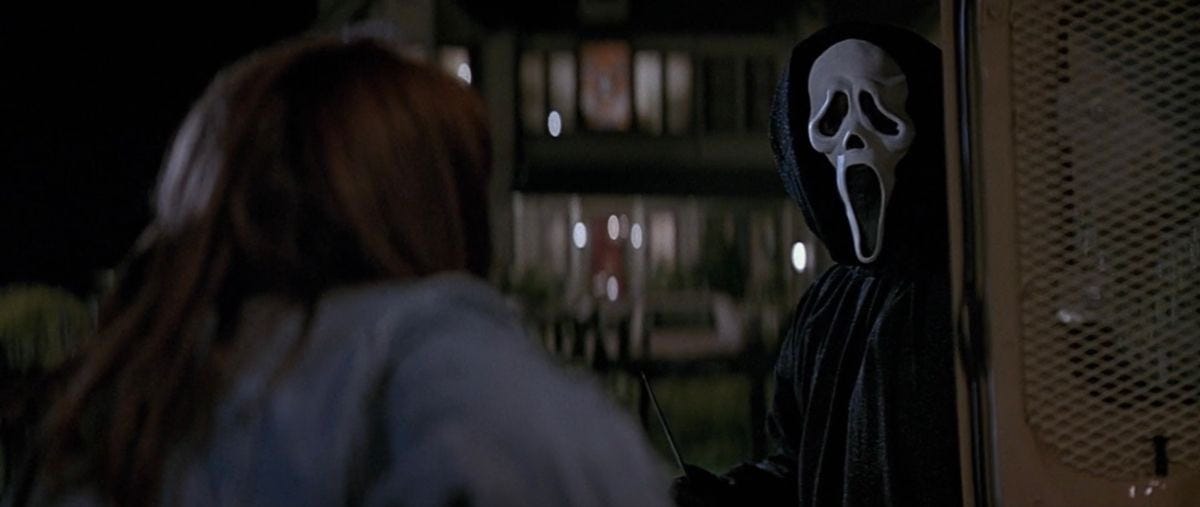
Scream has lasted because it was never just a murder mystery with a mask reveal at the end. It was built from things people already recognized like horror logic, familiar character types, references to older slashers, and a world where everyone has seen the same movies the audience has.
Ghostface became a lasting horror figure not because he is mythical, but because he is ordinary. The line “Do you like scary movies?” became iconic because it speaks to the viewer as much as the person on the phone. Woodsboro joined places like Elm Street and Haddonfield as a setting people remember even if they have not rewatched the film in years. The Scary Movie franchise exists because Scream made the genre self-aware without turning it into a parody.
Six movies in, with another one coming, the original still holds up. Rewatching it makes the clues easier to spot and the choices more deliberate. The killers were never hidden. Most people are just not looking closely the first time. The movie assumes the audience will eventually catch on, even if it takes years or many sequels to do it.
The franchise keeps on going because horror does. The face under the mask changes, the technology changes, the characters change, but the structure stays familiar. Scream remains relevant because it understands the genre it came from and the people who were already watching it. It still works as a slasher, but it also works as a conversation with the audience.
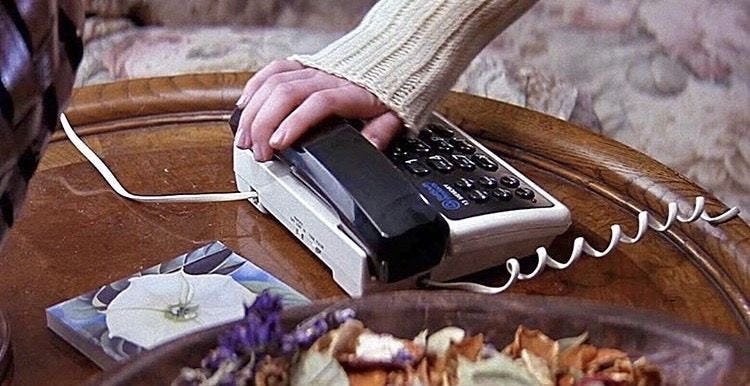
Maybe the opening line had more meaning than we realized. The question was never just “Do you like scary movies?” It was a test, an invitation to prove you speak the language and notice the patterns. It was always meant to be a secret handshake for people who know the rules.
I’ve seen Scream more times than I can count, and it still catches me off guard when I notice something new during a rewatch. The movie wasnt hiding anything, but expecting us to pay attention.
Written by someone who is still scared of the pool episode of Are You Afraid of the Dark but watches the Scream movies for comfort.
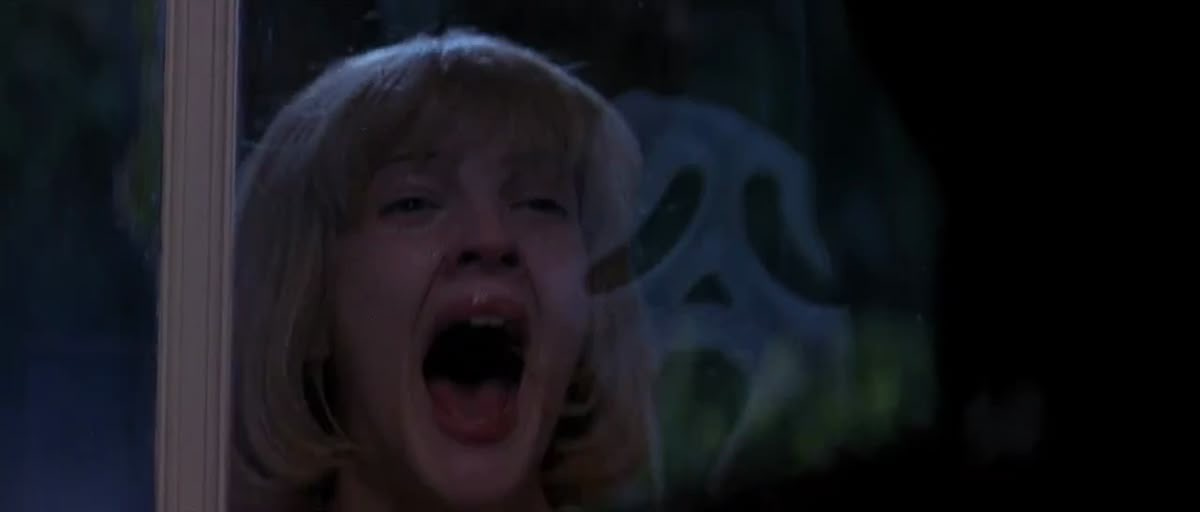
Bonus: A list Of All In-Universe Movie Mentions and Name-Drops:
• Friday the 13th (Parts 1 and 2): Casey is quizzed on them in the opening scene.
• Prom Night: Randy brings it up at the video store to explain the “very simple formula” and why everyone is a suspect.
• Basic Instinct: Stu insists only a man could be the killer and Tatum checks him with this reference.
• The Exorcist: Billy tells Sidney it reminded him of their relationship because it was edited for TV.
• Candyman: When Sidney asks if Billy is mad at her, Stu says, “Oh, you mean after you branded him the Candyman?” The line references the idea of summoning killers by name.
Horror Playing on Screens or in Dialogue:
• Halloween: It is playing at Stu’s party and Casey calls it her favorite scary movie earlier.
• The Town That Dreaded Sundown: Sydney mentions how the curfew turns Woodsboro into it.
• Trading Places: Randy comments on Jamie Lee Curtis “waiting until she was legit to show tits.”
• All The Right Moves: Tatum jokes about renting it to see Tom Cruise naked.
Ghostface Phone Call References:
• “Are you alone in the house?”: This is a direct quote from When a Stranger Calls.
• A Nightmare on Elm Street: It is mentioned during the first phone call and Wes Craven appears dressed as Freddy.
Villains, Killers, and Character Parallels:
• Psycho: Billy quotes Norman Bates: “We all go a little mad sometimes.”
• Carrie: Billy’s “corn syrup” blood explanation comes from the prom scene.
• Silence of the Lambs: Billy compares Sidney to Jodie Foster and mentions Hannibal Lecter.
• The Texas Chain Saw Massacre: Randy calls Billy “Leatherface.”
• Casper: Tatum calls Ghostface this in the garage.
• A Nightmare on Elm Street: Wes Craven appears as Fred the Janitor dressed like Freddy Krueger.
• I Spit on Your Grave: When Tatum first sees Ghostface in the garage she says, “What is this, I Spit on Your Garage?” right before she dies.
Deep Cuts and Horror Nerd References:
• The Howling: Randy identifies it when someone in the video store scene asks about “the werewolf movie with the mom from E.T,” which I think is a terrific depiction of going to a movie store in the 90’s and asking the guy working there for help.
• Terror Train, The Fog, Hellraiser, and The Evil Dead: All mentioned quickly while people at the party pick a movie.
Non-Horror Pop Culture Shout-Outs:
• Clueless: Stu says “as if” and Randy calls him “Alicia.”
• All The Right Moves: Another Tatum reference because Tom Cruise’s nudity was a 90s talking point.
If you enjoyed reading, consider subscribing to sunset archive to get future posts sent directly to your inbox.